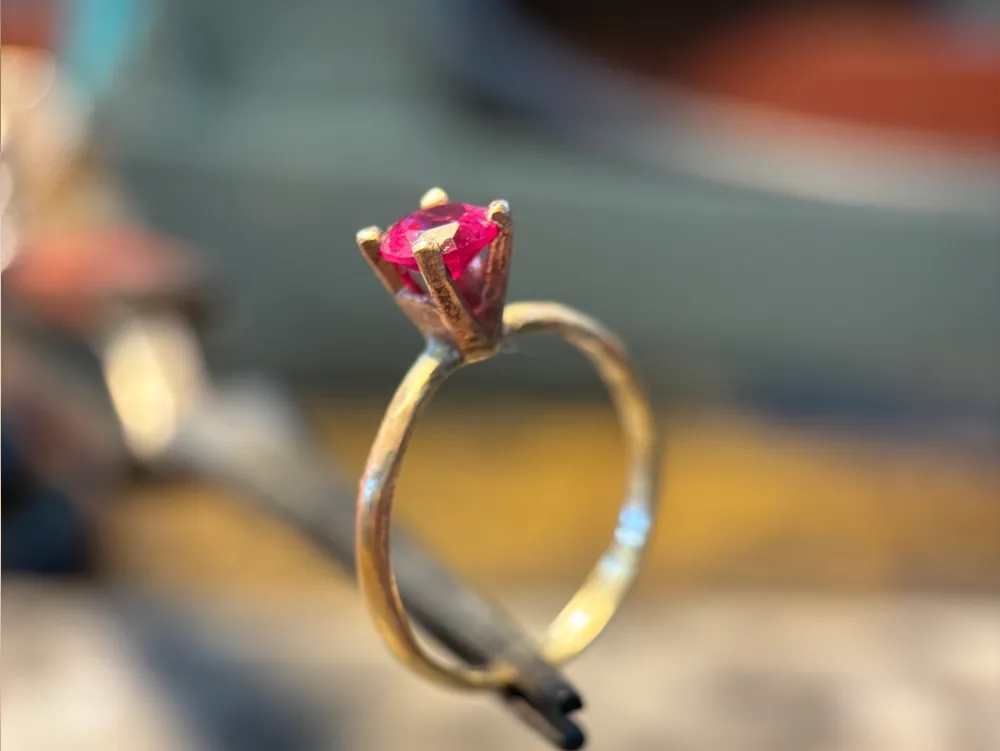
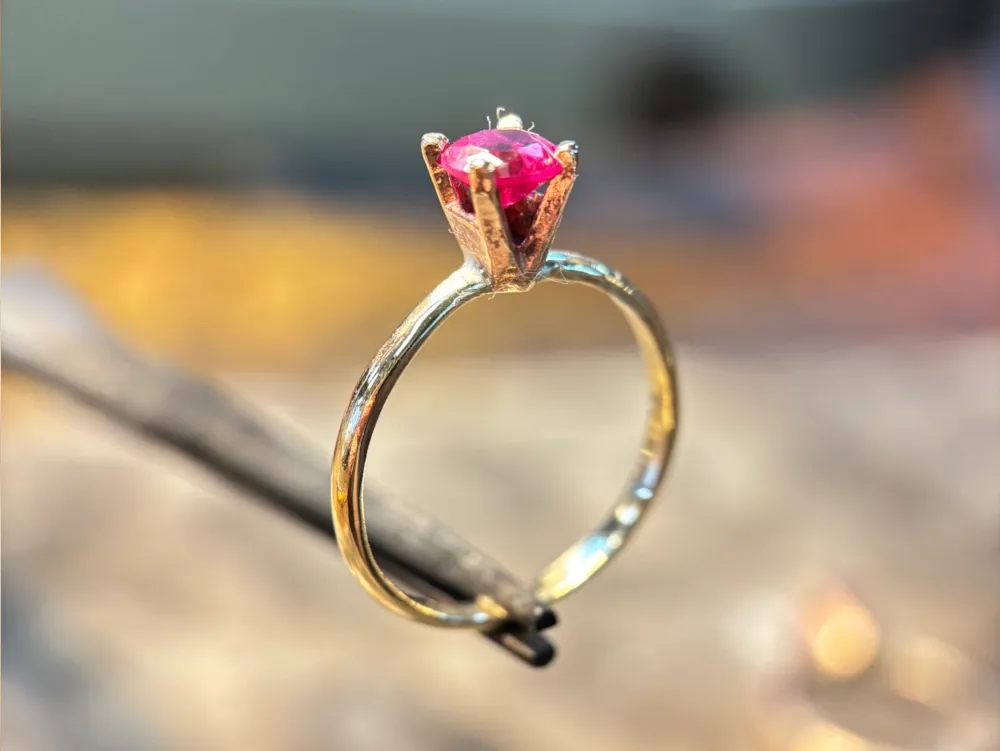
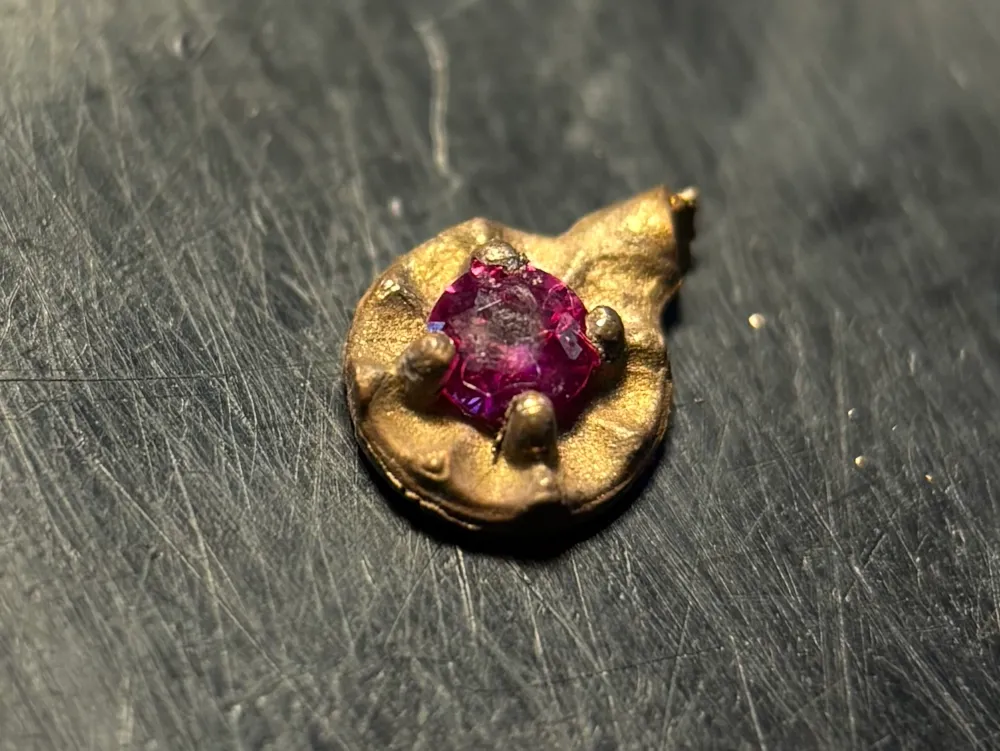
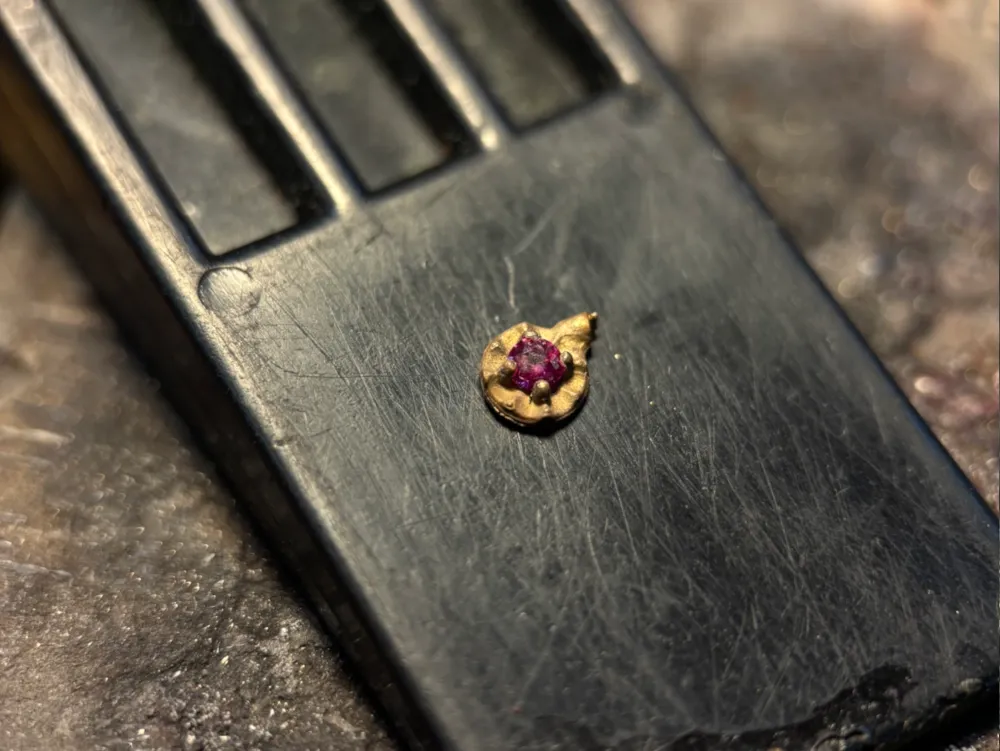
Photographed as I finish it. Captions describe what the piece required and how I approached it.
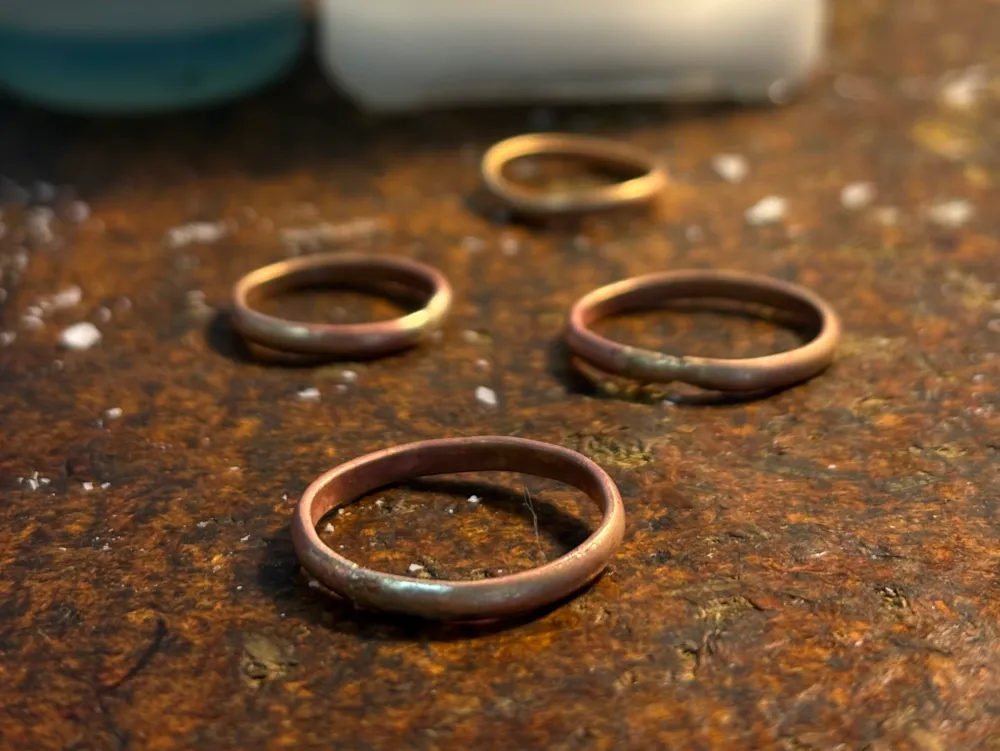
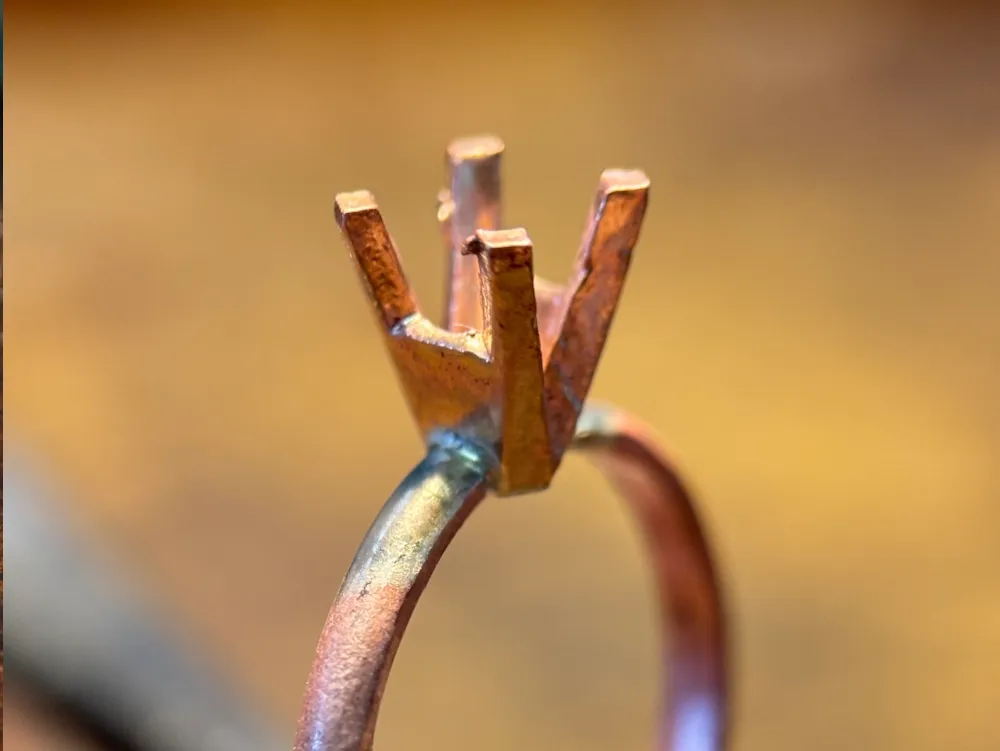
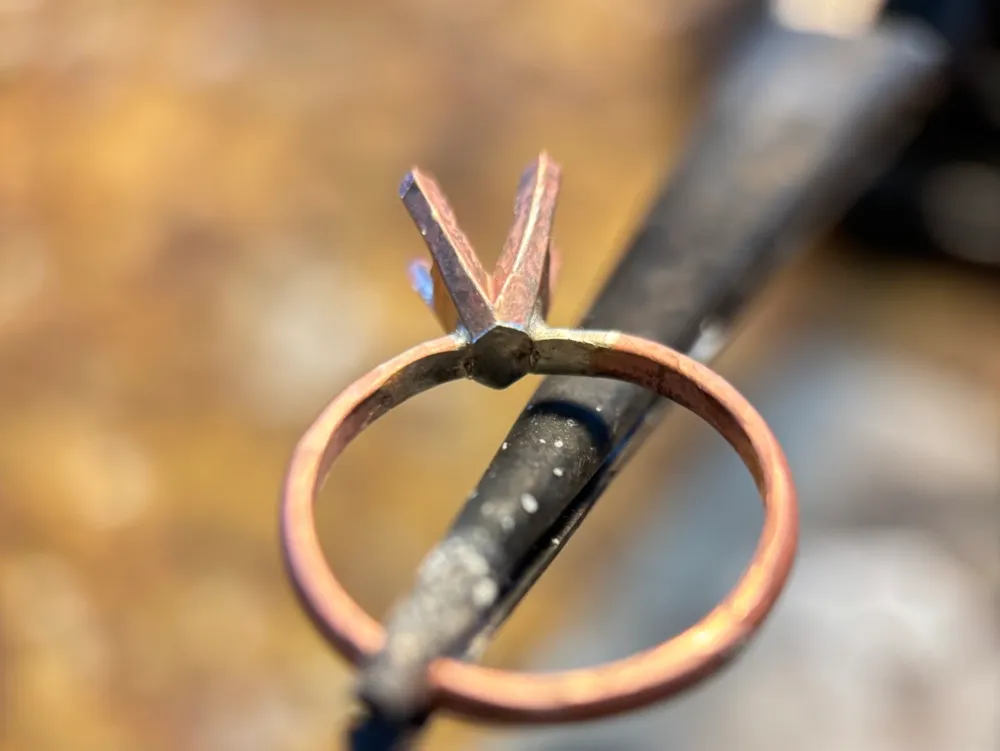
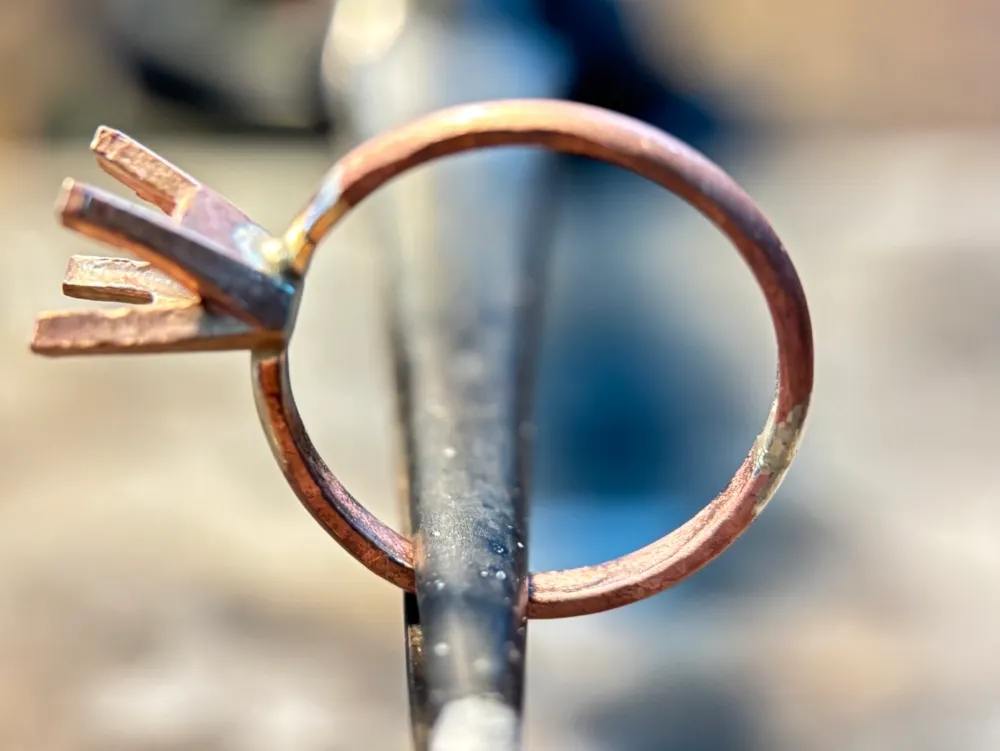
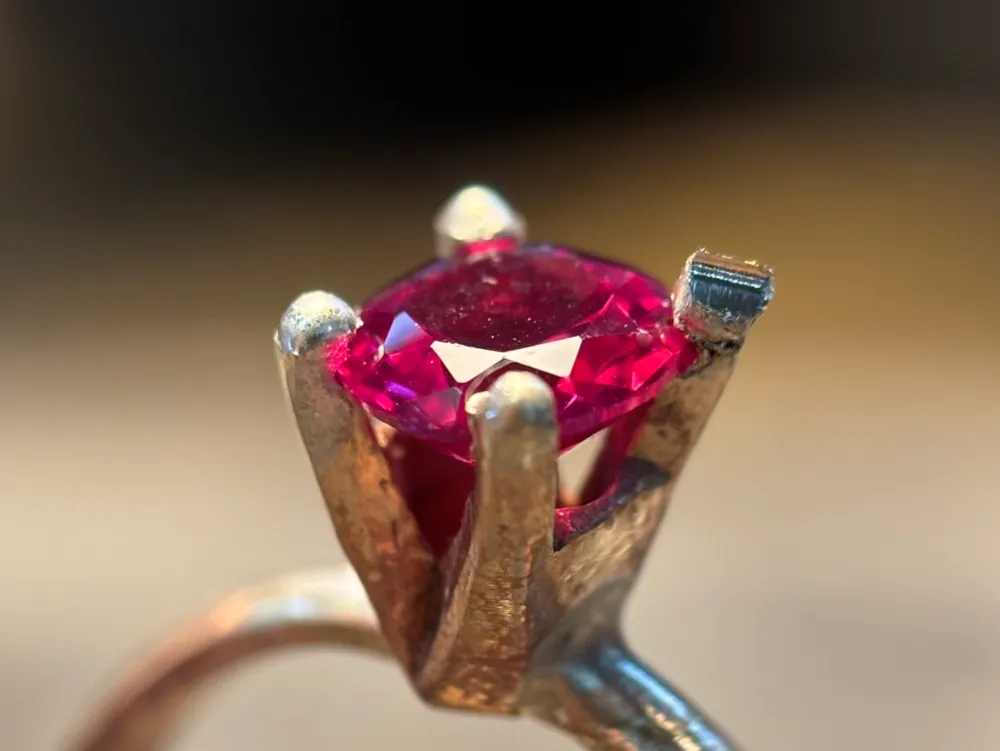
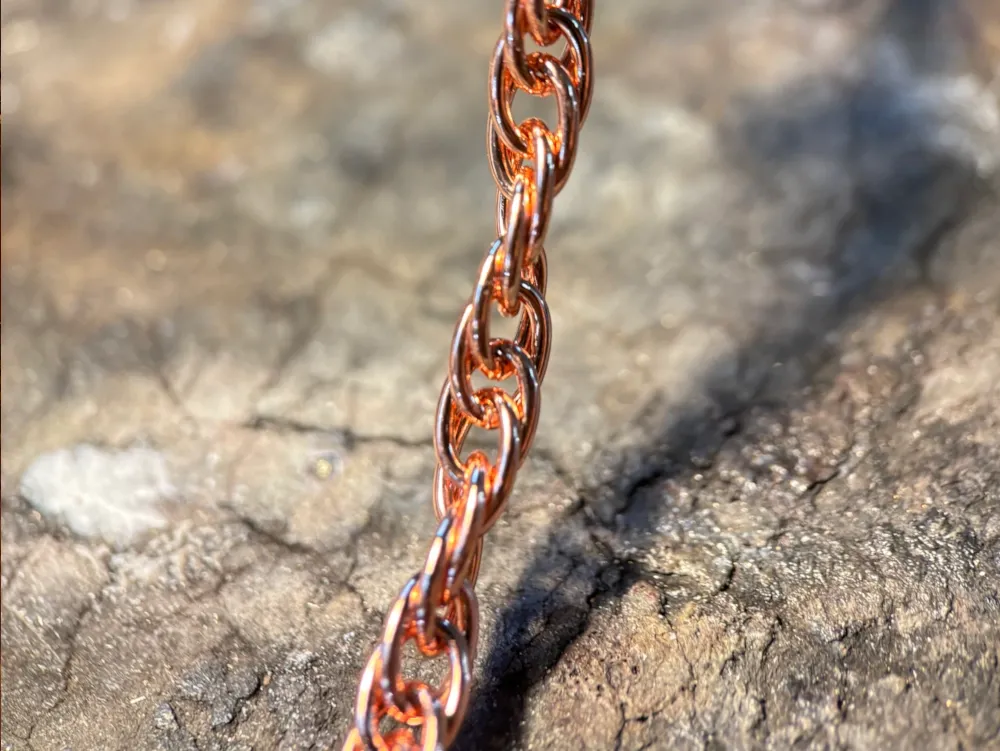
Completed Jewelry Repair (Program #1) at Stewart International School, working through the core repair operations at the bench: sizing a ring down and up, attaching a half shank, retipping worn prongs with solder and wire, attaching a ring head to a shank, bead and prong setting stones, and repairing broken chains. Demonstrates the repair fundamentals that make up most day-to-day bench work (soldering, resizing, prong and bead setting, and finishing), and a foundation for the Advanced Diamond Setting program that follows.
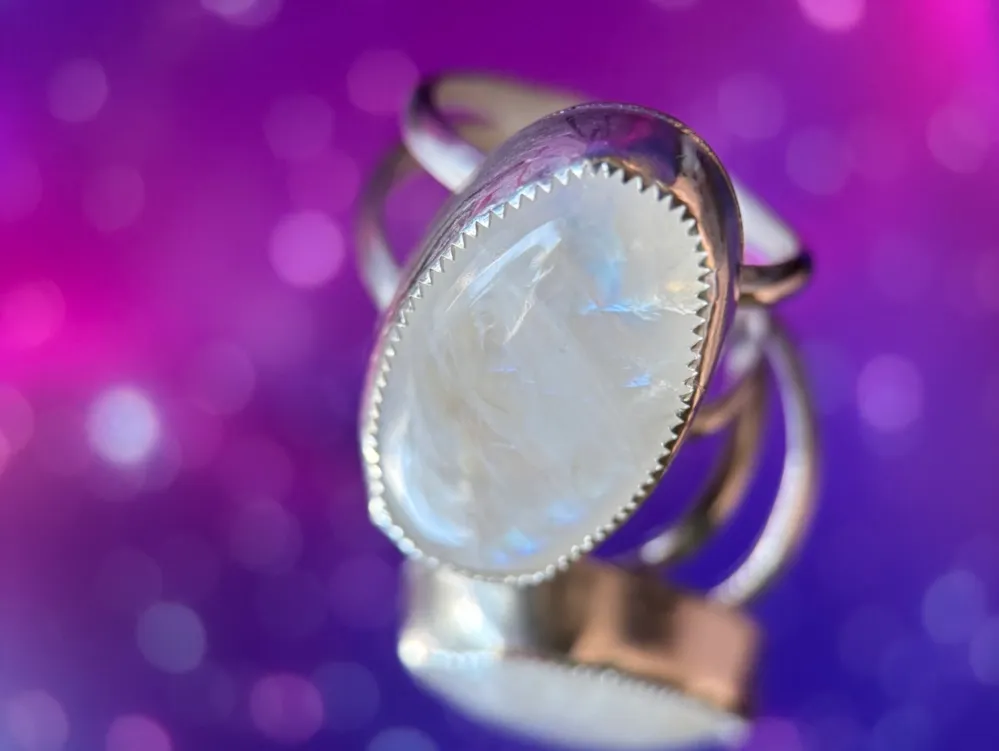
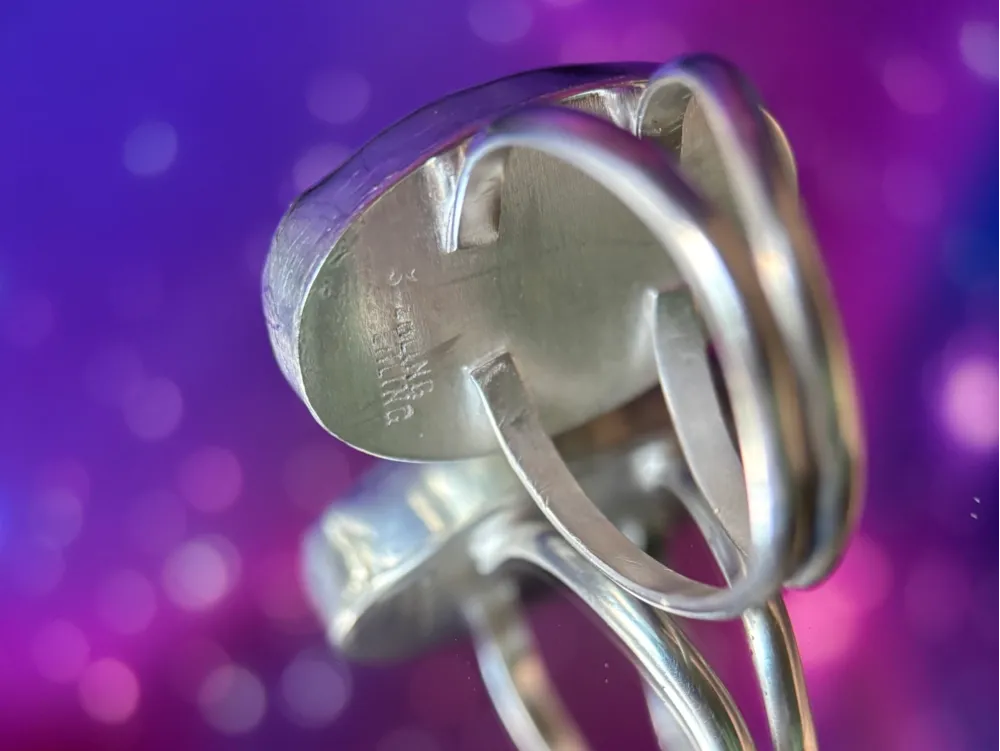
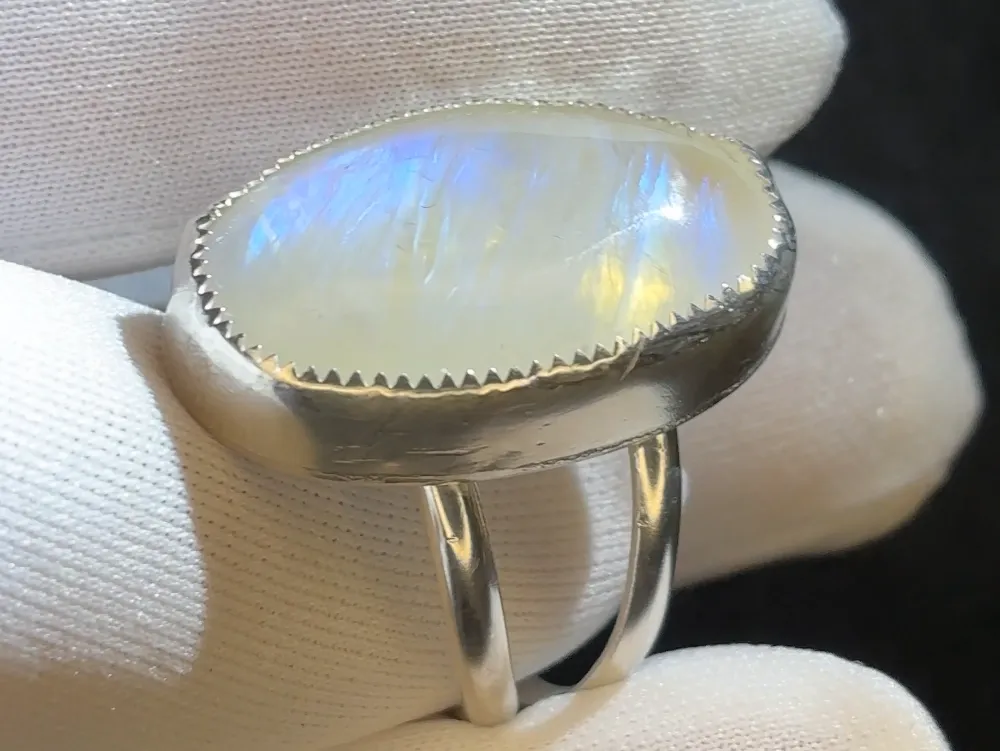
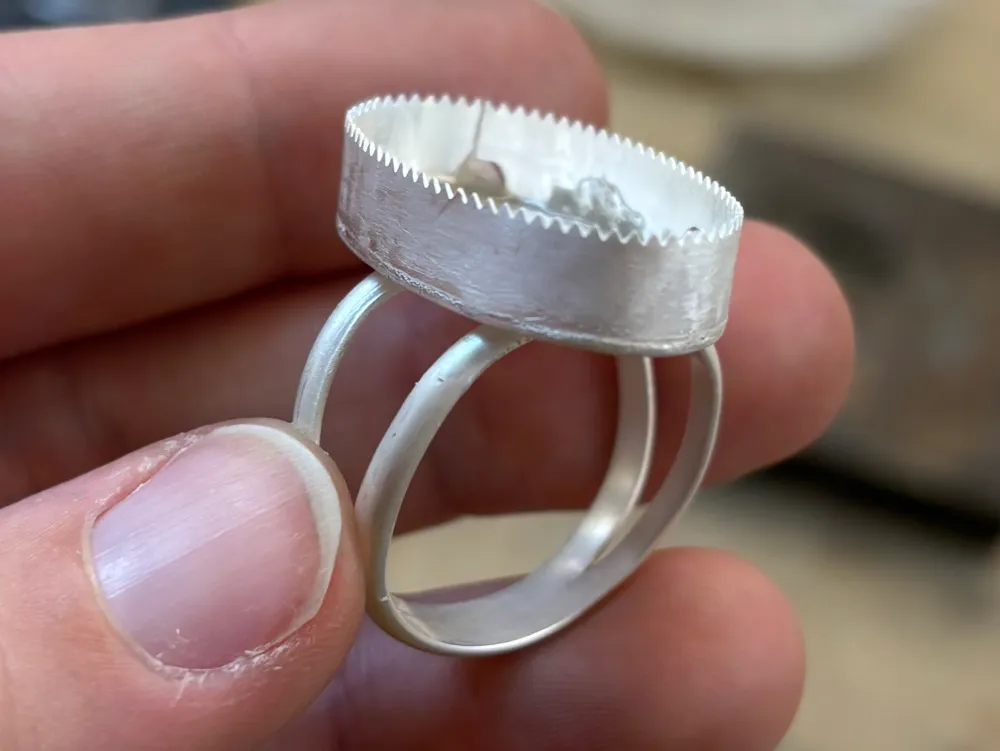
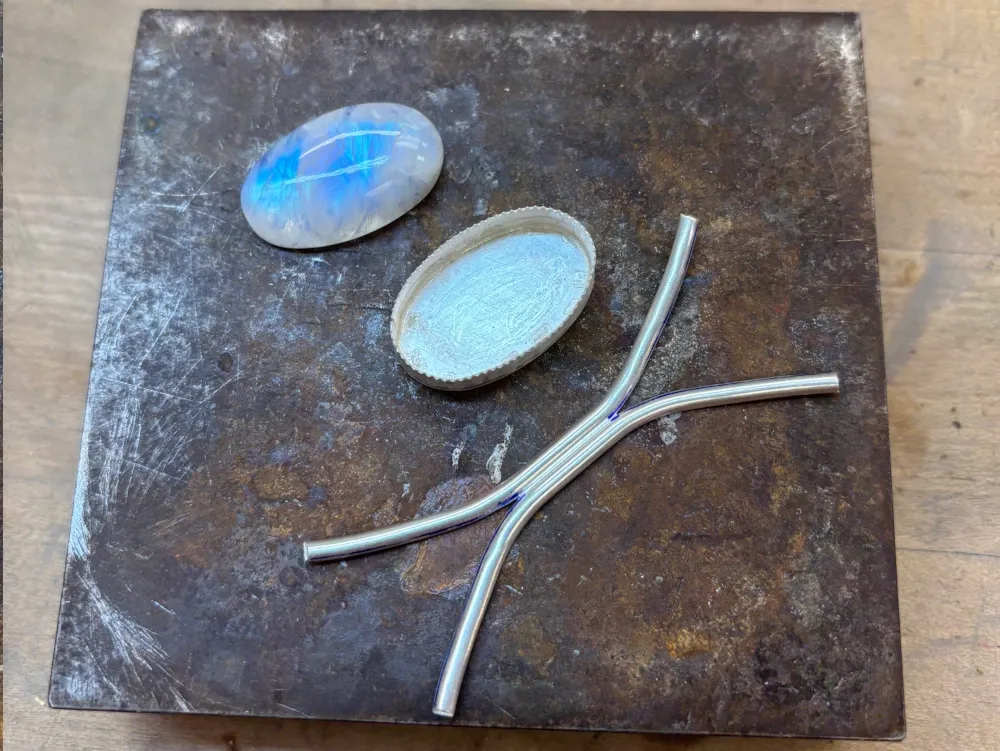
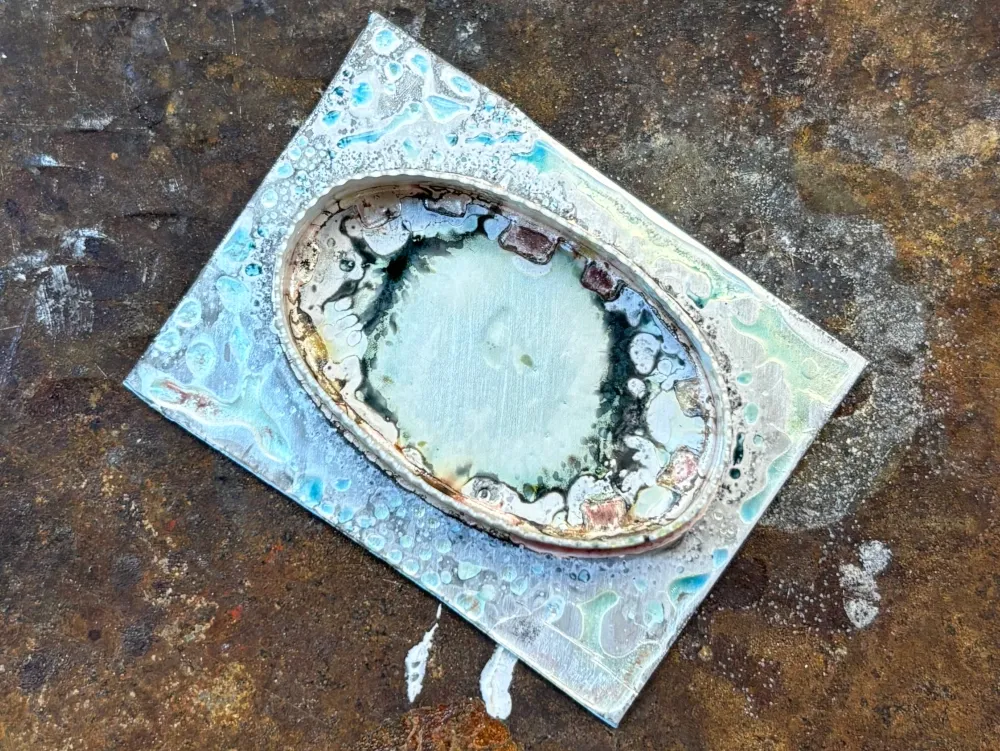
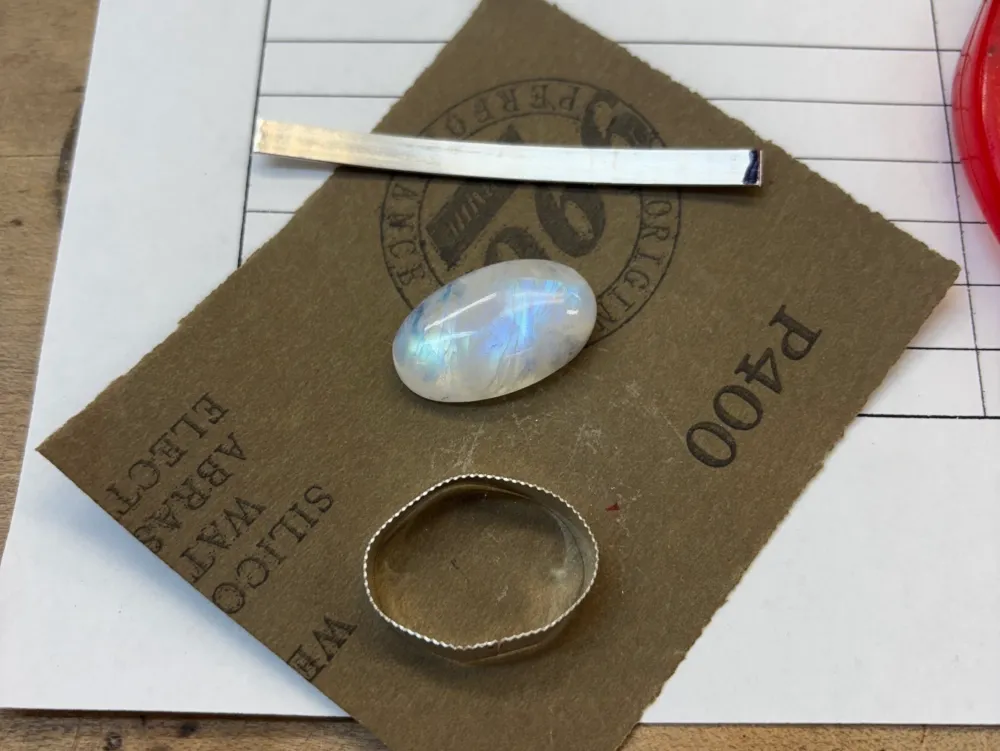
Ring fabrication — Sterling Silver, Bezel-set Moonstone
Built from scratch: fabricated the shank and backplate, then cut, shaped, and soldered a bezel to hold a cabochon moonstone, my first time soldering with a torch. Worked through flux application, heat control, and flow to get a clean, complete solder join rather than a cold joint, then finished by polishing the silver to bring up the shine without disturbing the stone's setting. Demonstrates basic fabrication fundamentals (shank construction, torch soldering, and finish polishing) as a starting point before more demanding setting styles.
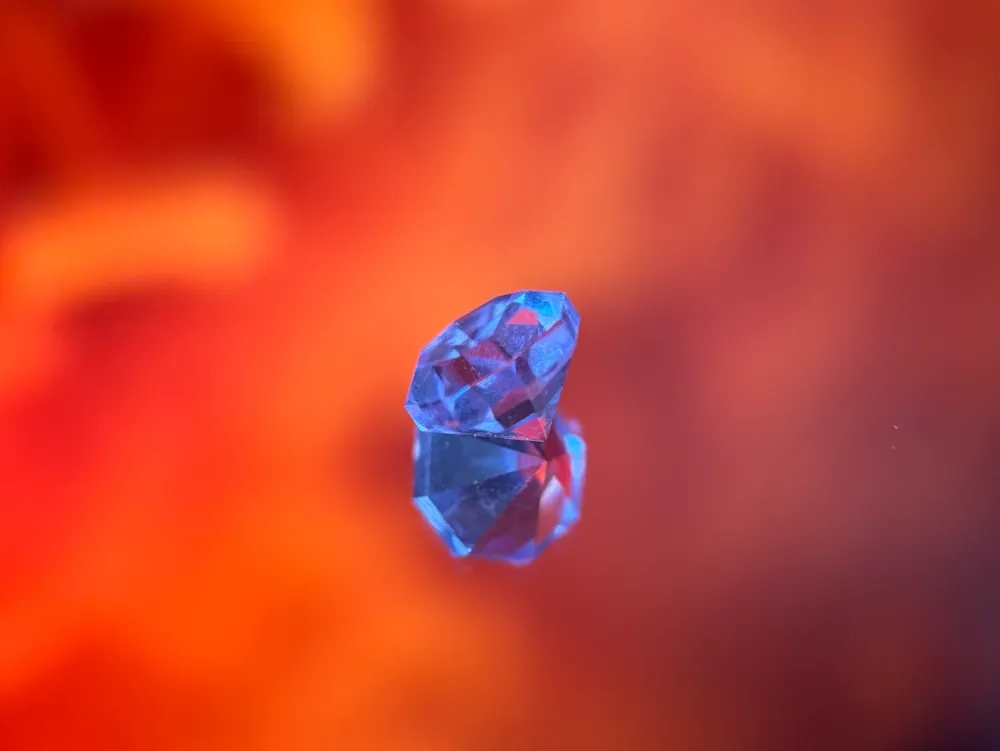
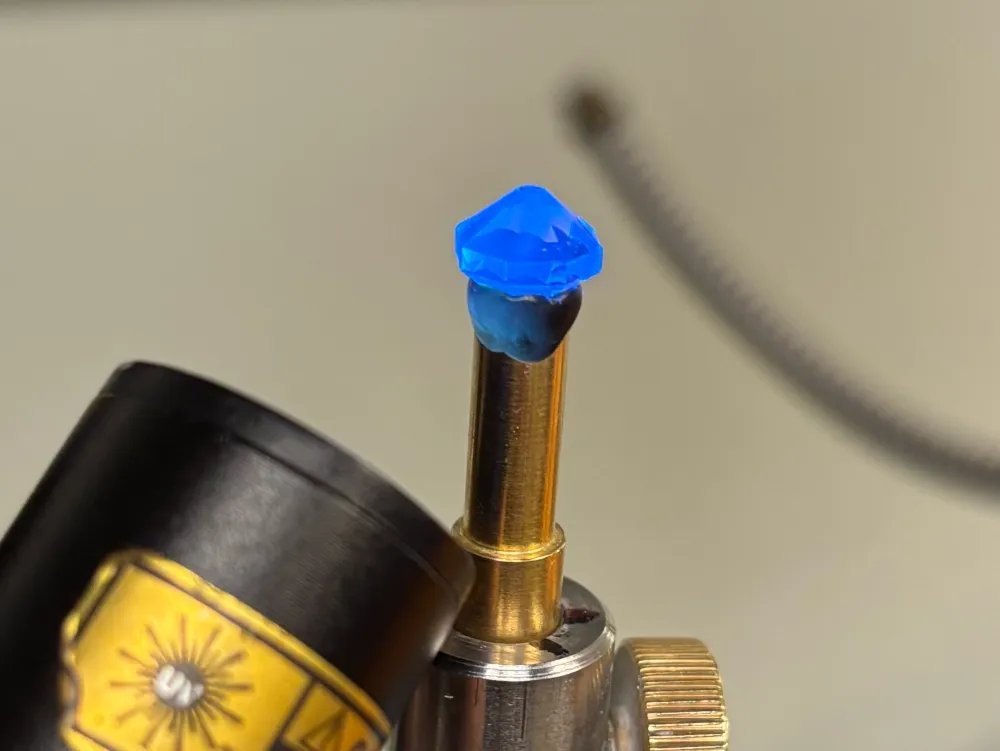
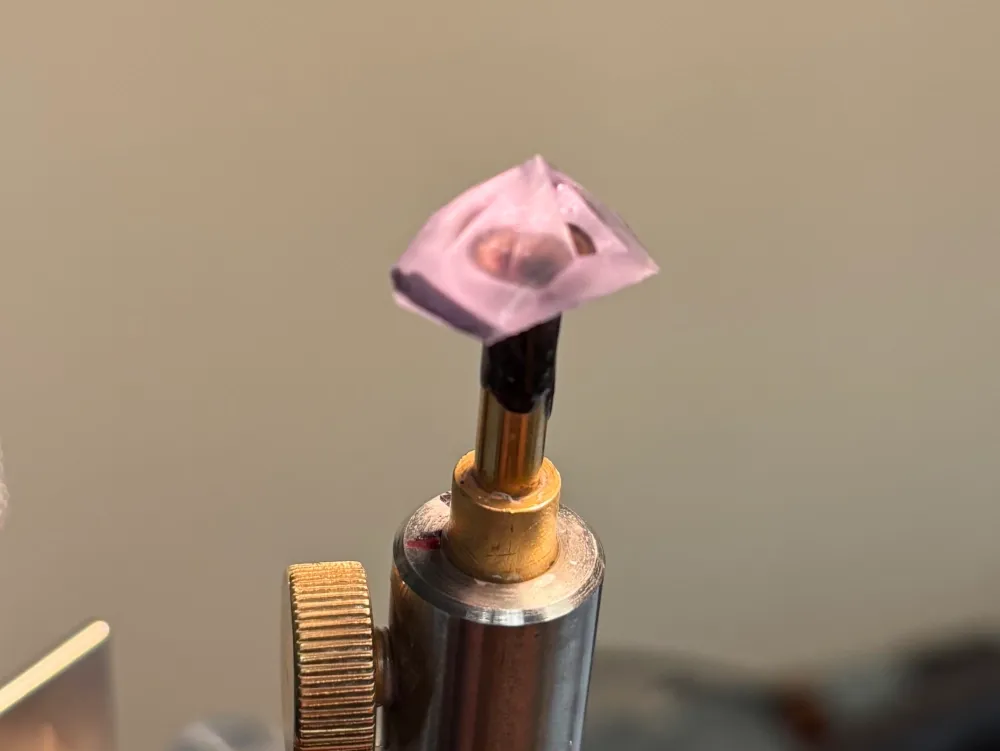
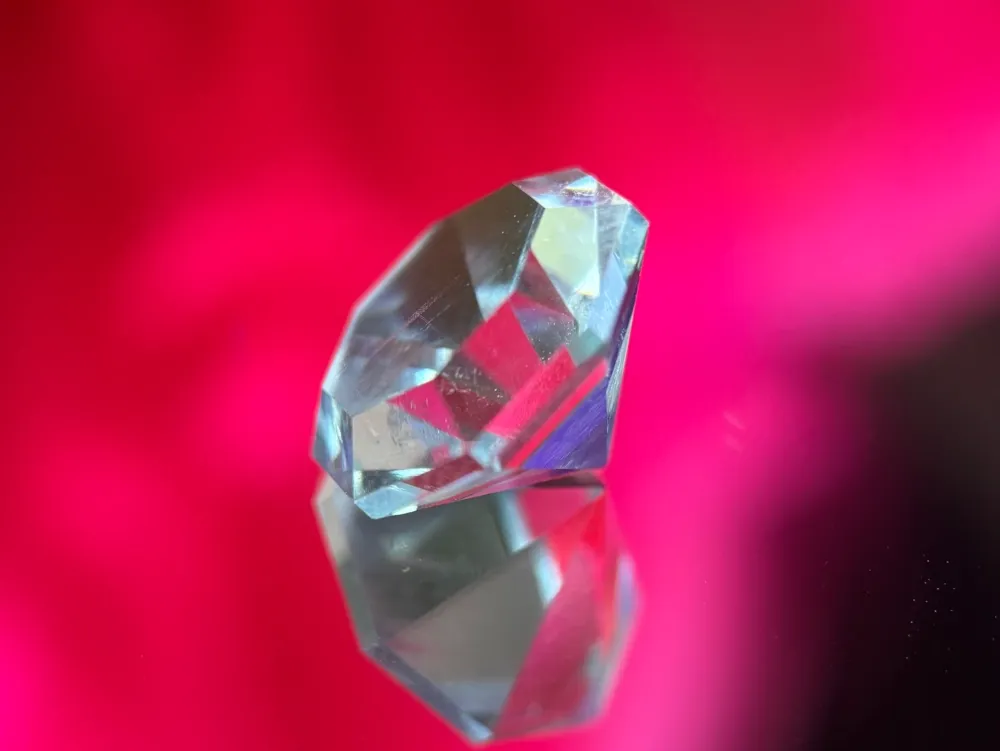
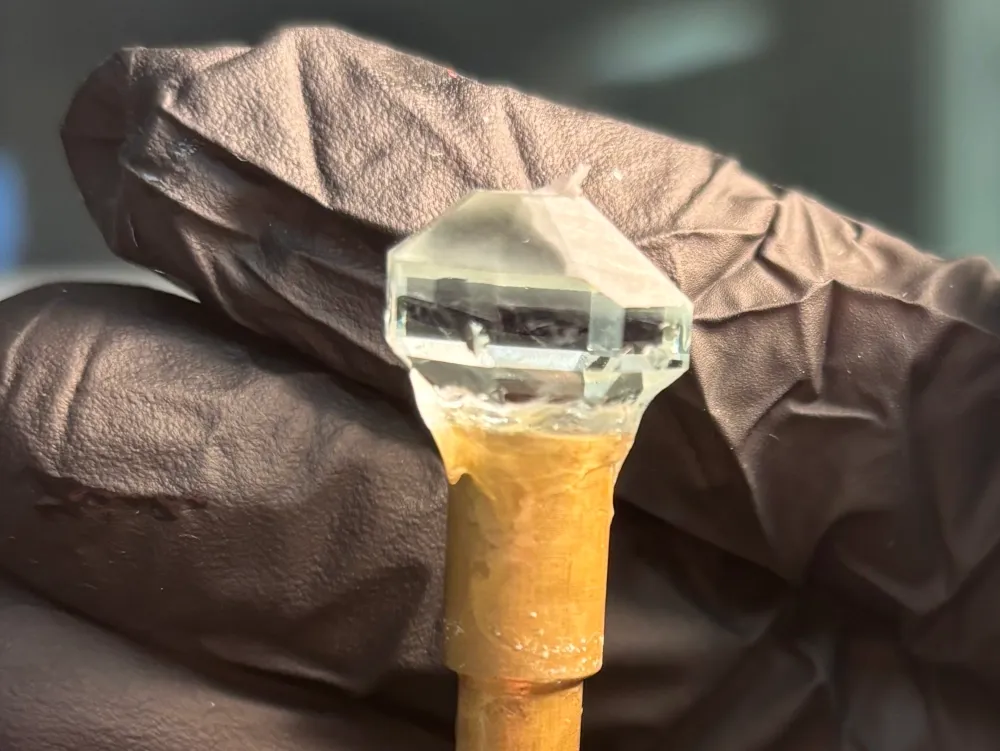
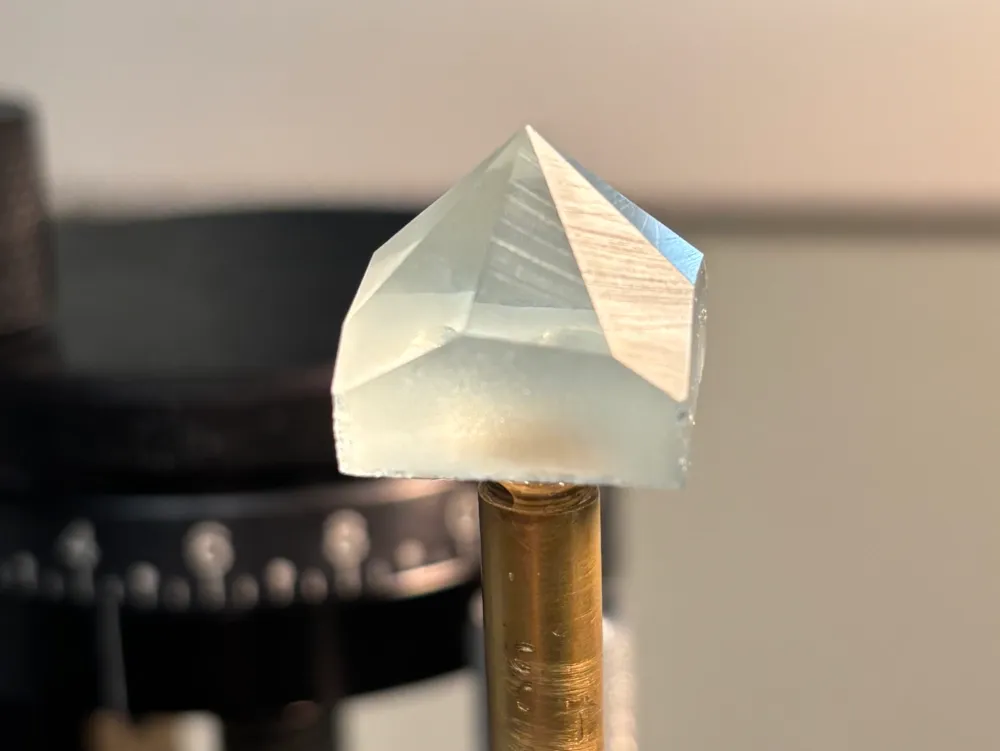
Stone Cutting — Synthetic Nanosital
Moved to nanosital next since it cuts and polishes close to natural quartz-family stones but without the inclusions or internal stress that can throw off a first attempt. Took a diamond polish straight through with no matting or micro-scratching, which let me isolate whether an inconsistency in a facet was coming from my technique or from the material itself. Using a material this forgiving-but-representative is standard practice for testing a design before committing better rough to it.
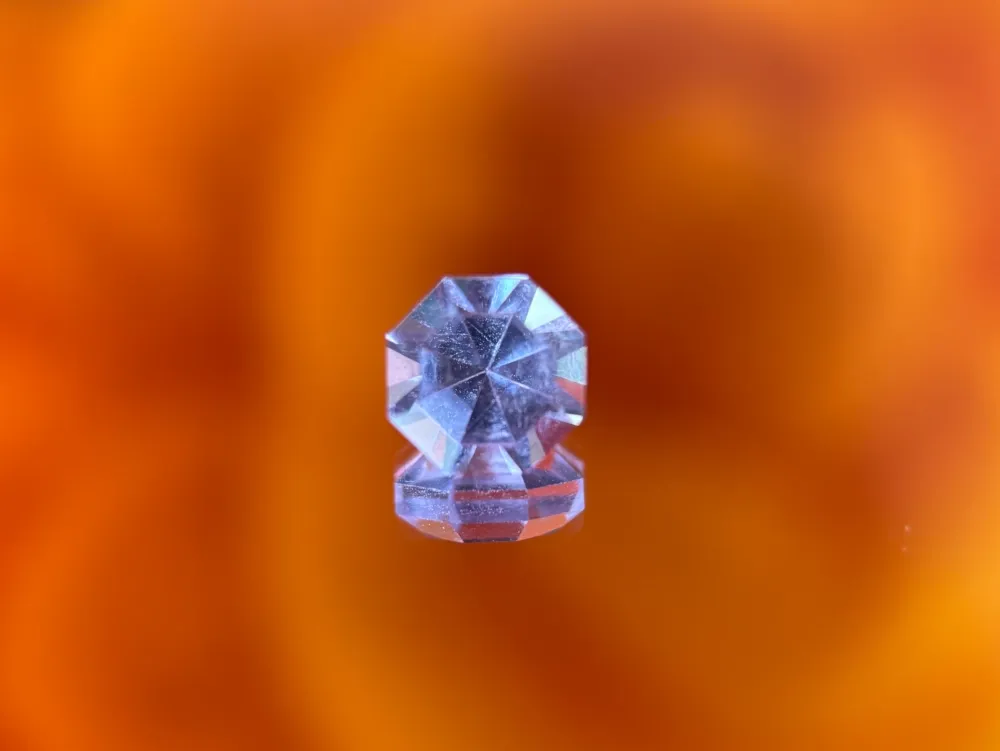
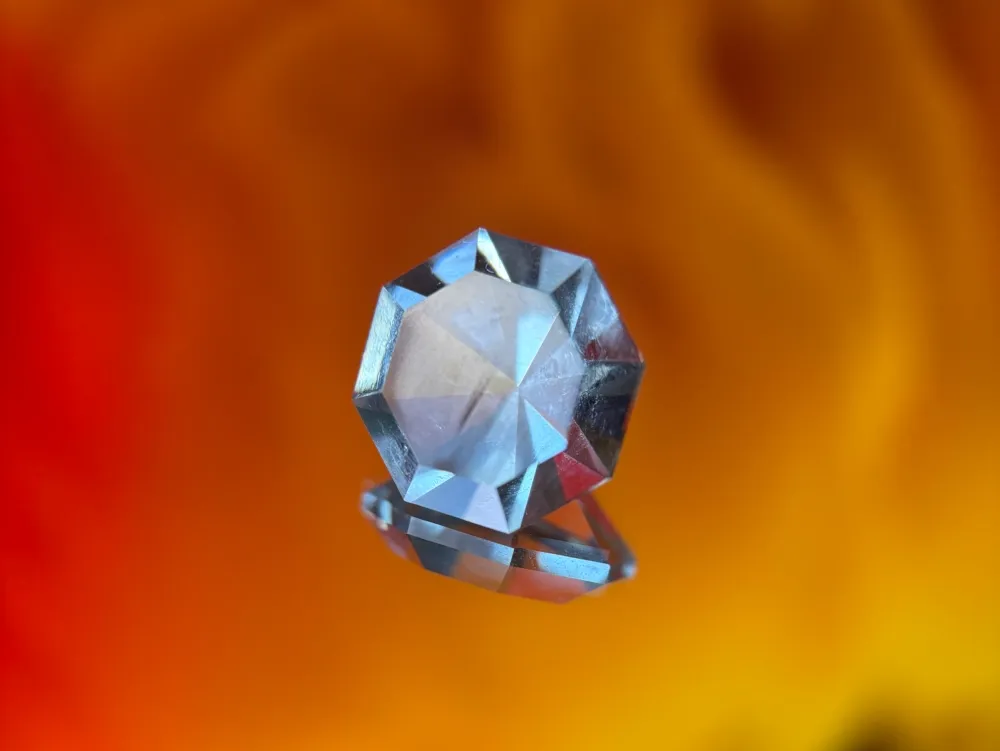
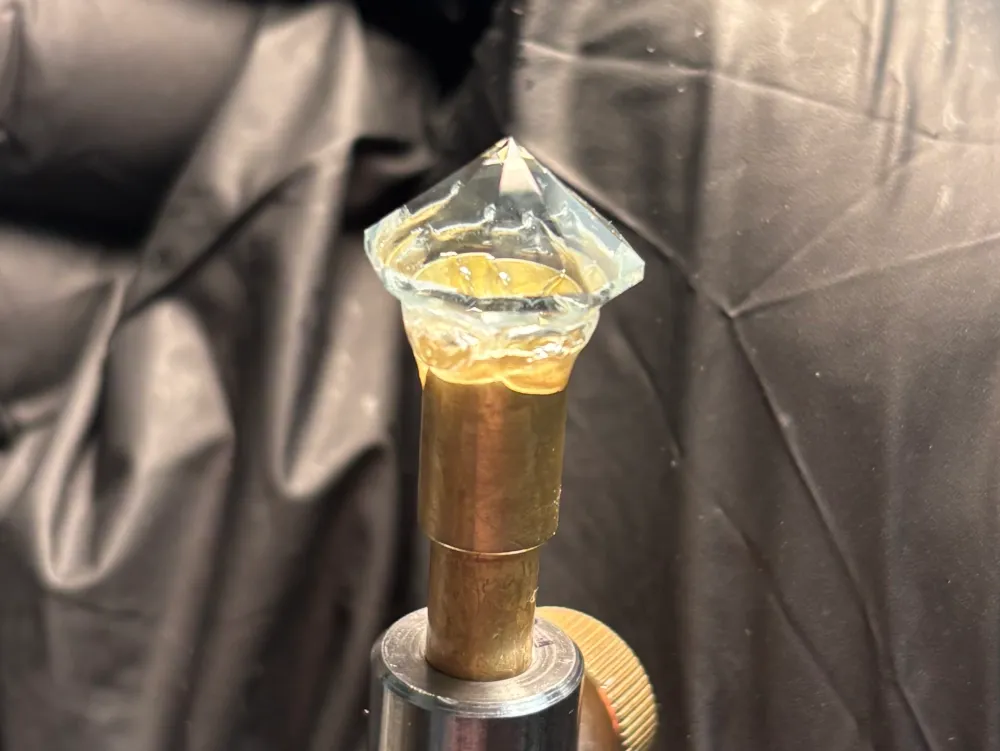
Stone Cutting — Generic Glass
Practiced the simple 8 design on commercial glass first since its lower hardness lets material remove fast without burning through hours of lap time. Had to watch heat buildup closely, glass is far more heat-sensitive than harder materials and will subsurface-fracture or "frost" if pressure and coolant aren't managed carefully during cutting. Chosen as the first pass in the sequence specifically because a ruined piece costs nothing, letting me dial in angle and index settings before touching costlier rough.